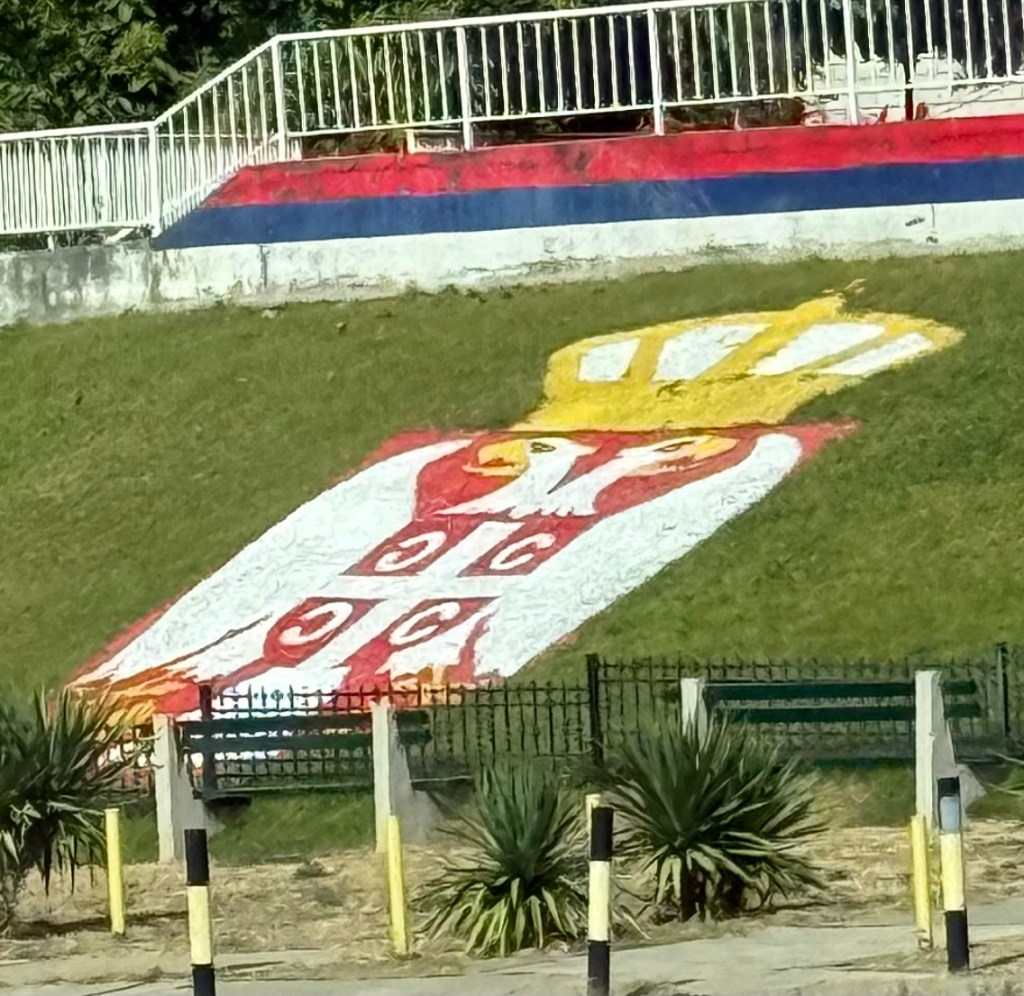
Our time spent in Serbia began with an all day bus ride from Bratislava to Belgrade. Low water levels struck again. We drove out of the Czech Republic, through Croatia, and across much of Serbia. All three countries were flat, with most of the land set aside for farming. But Serbia seemed even more boring. Lots of farm acreage but nothing that really looked like active crops. Similarly, almost everything eaten in Serbia contains some kind of meat … mainly pork and beef. But driving across half the country, I didn’t see any animals grazing in the fields.
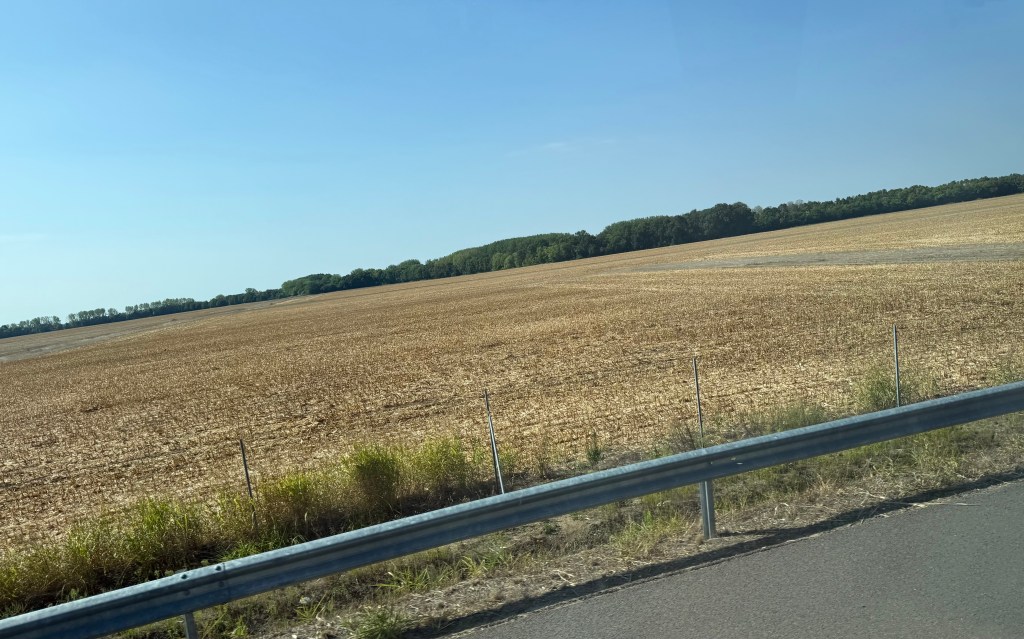
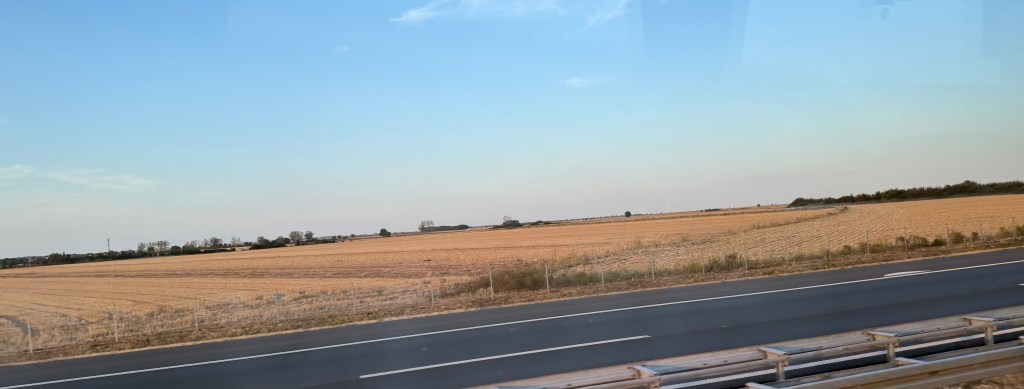
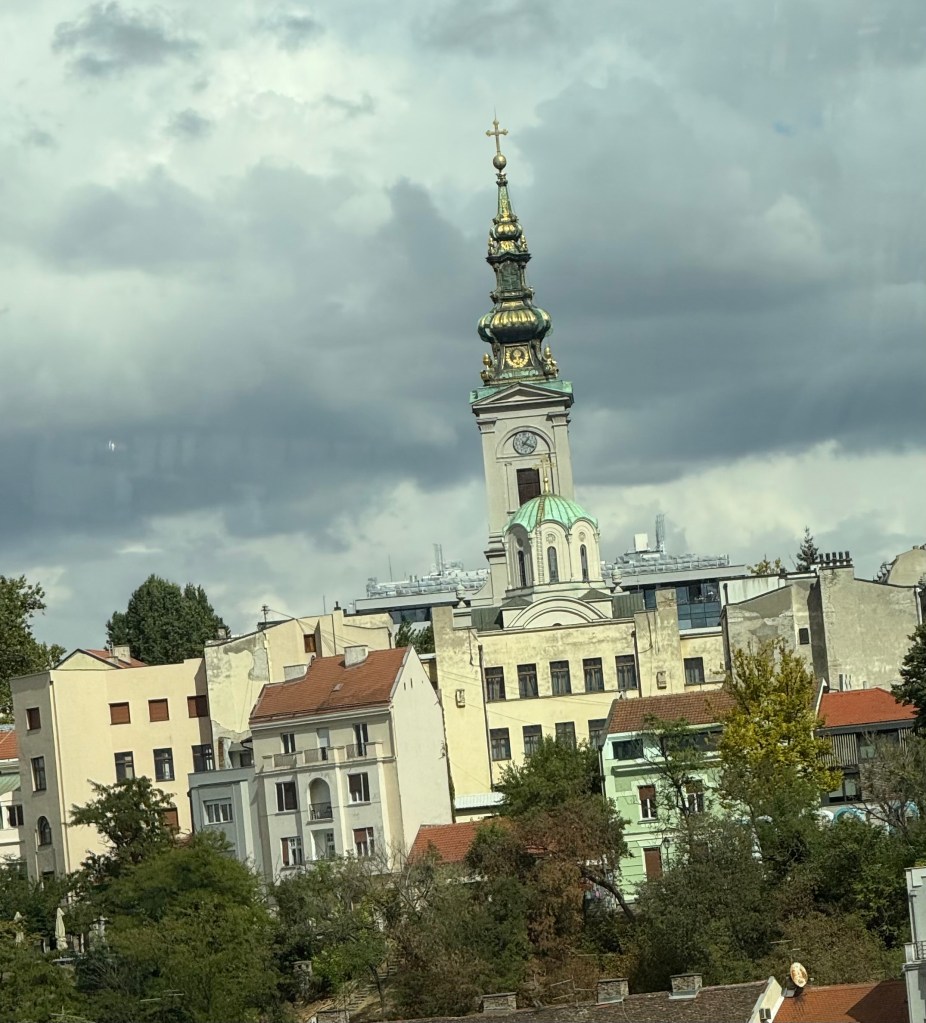
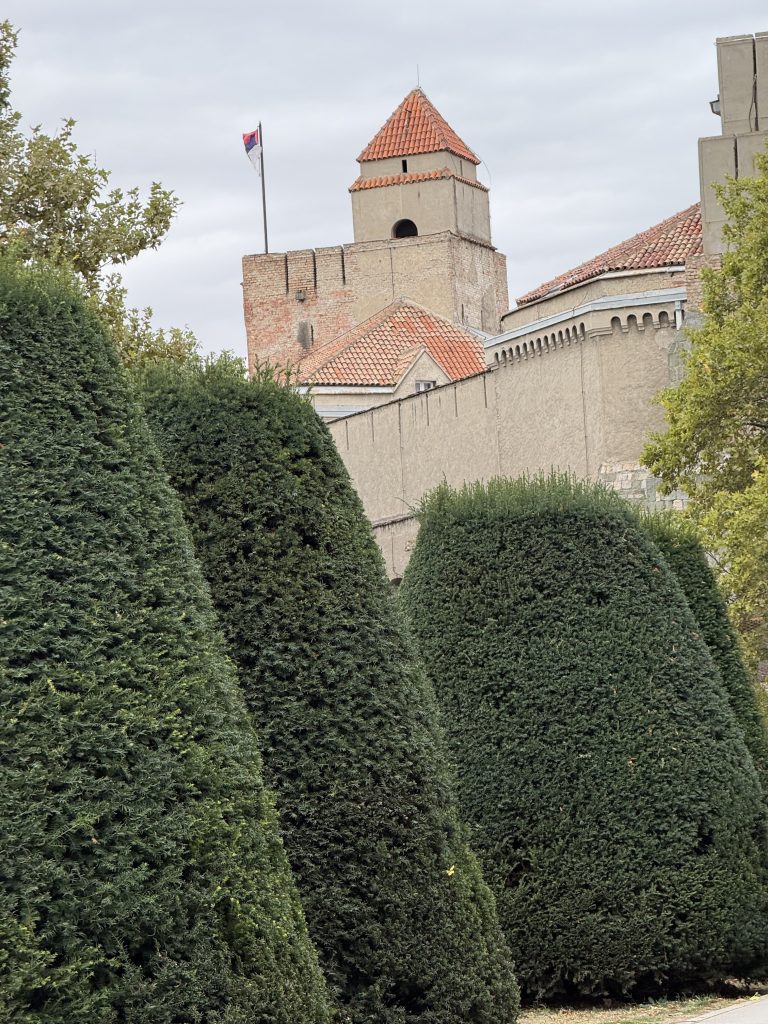
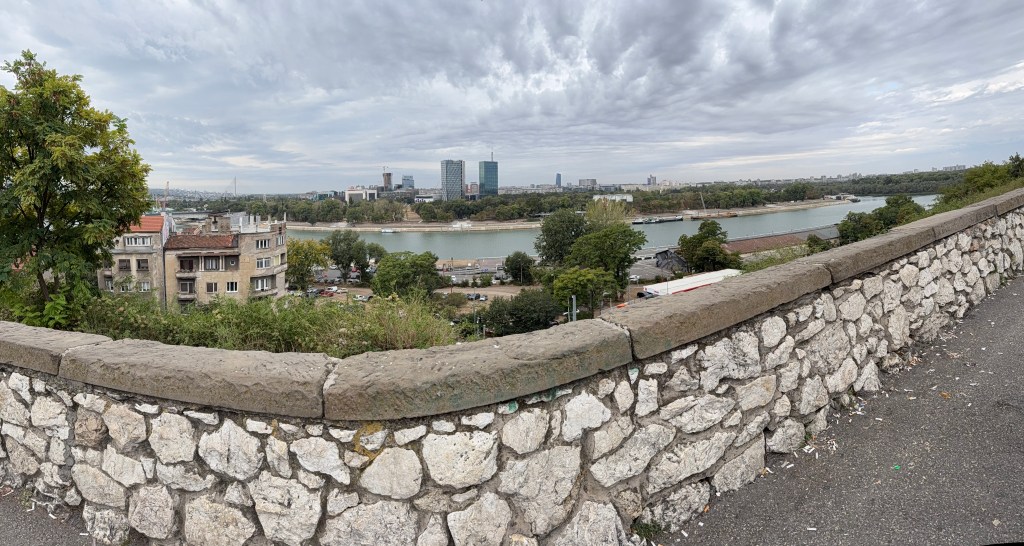
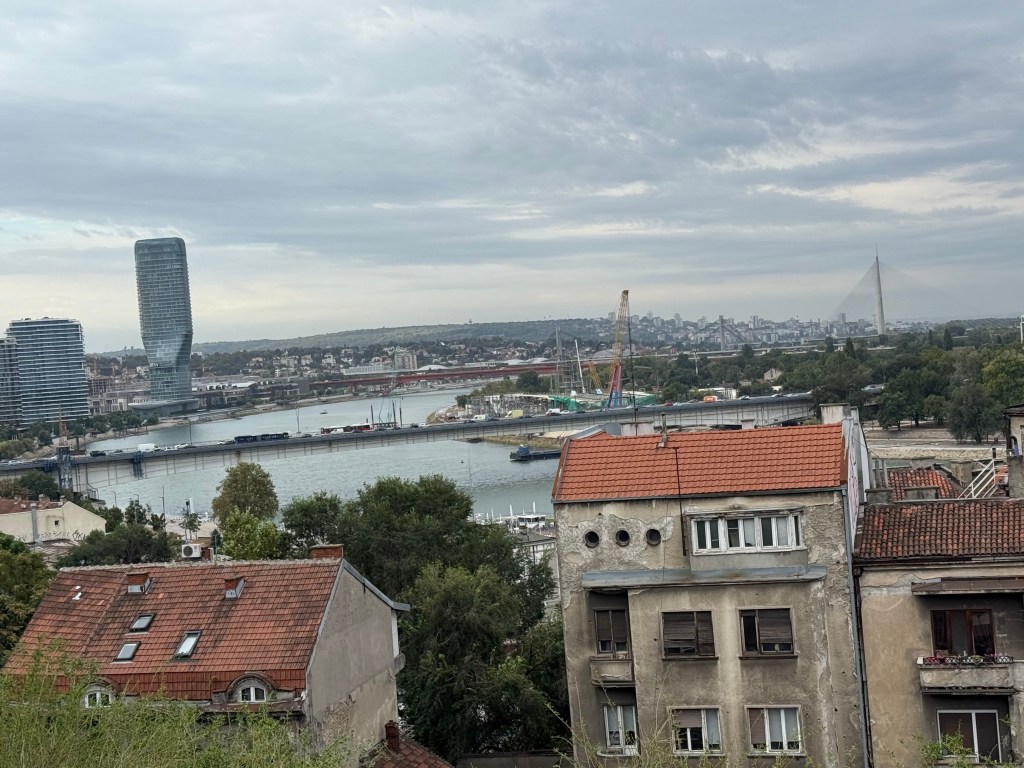
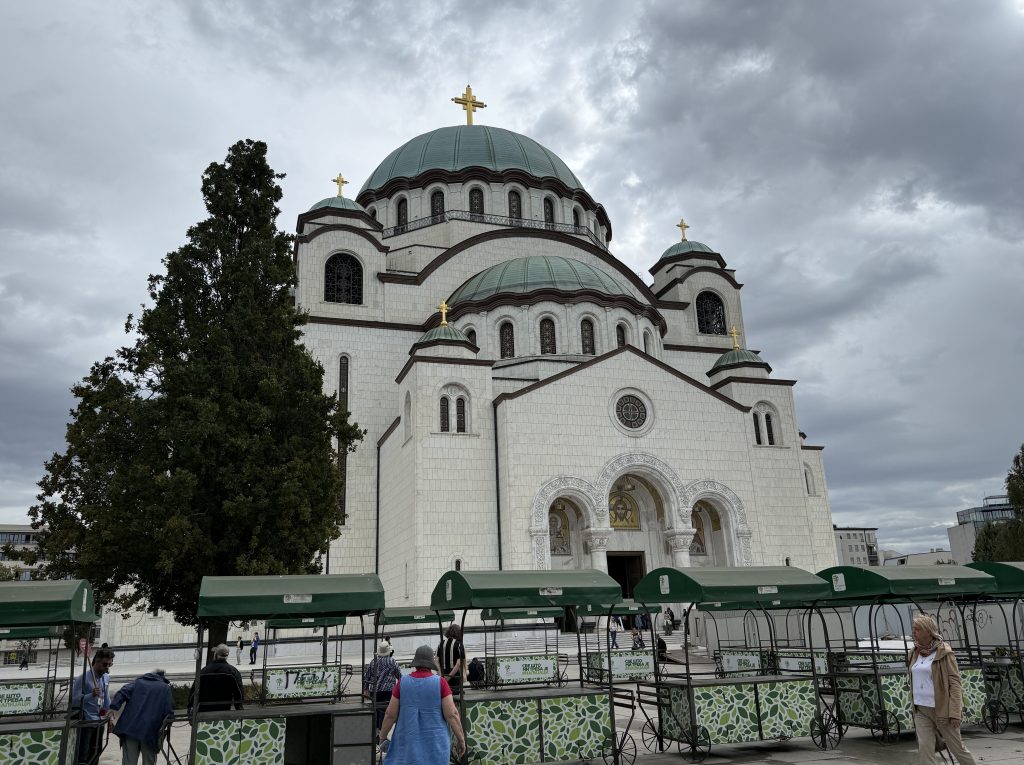
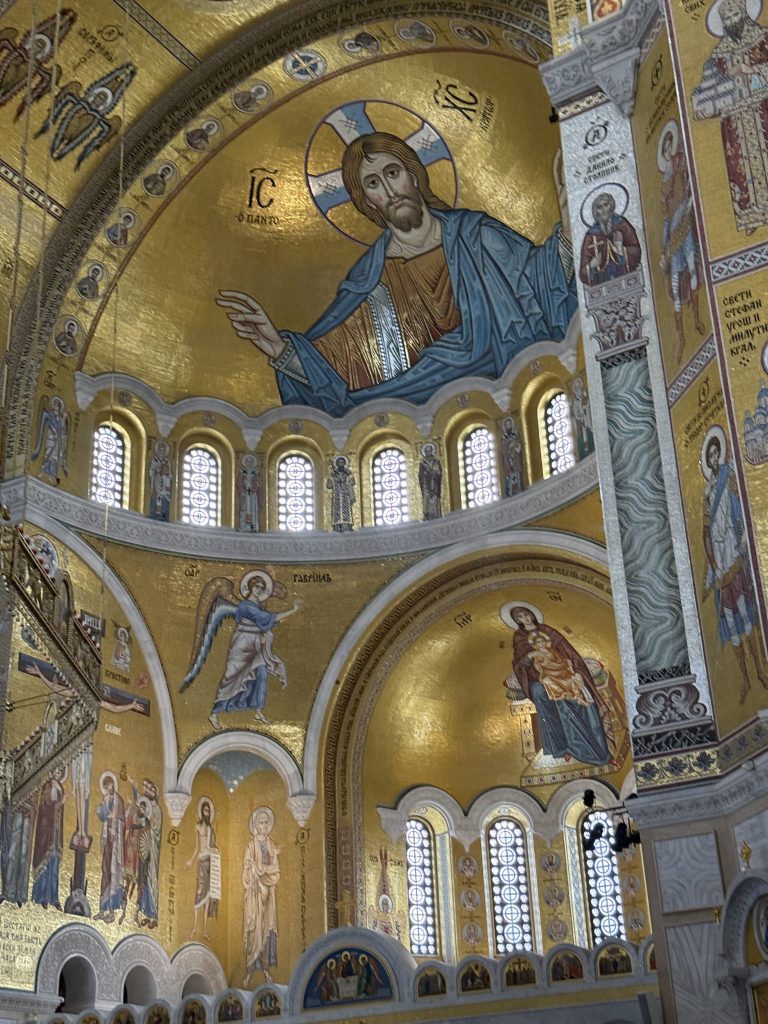
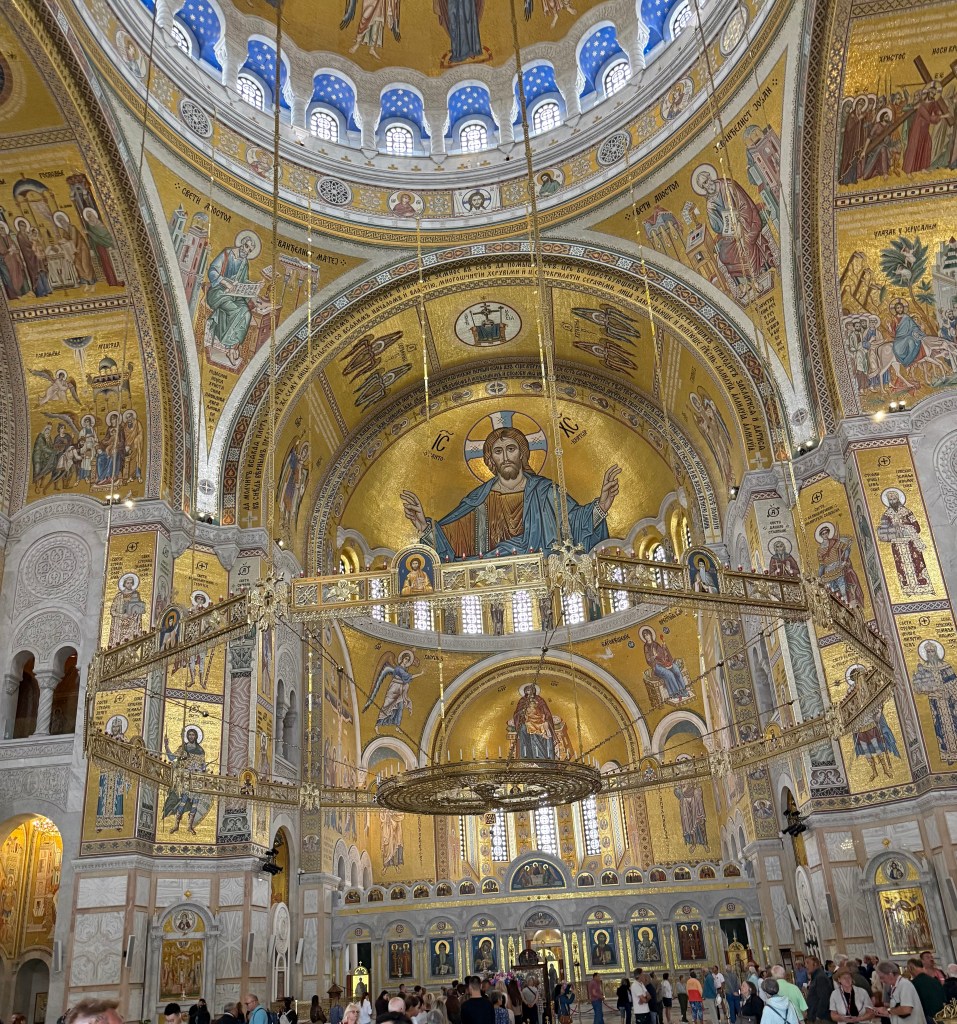
We spent a couple days driving around Belgrade, Serbia’s capitol, and the diversity between upgrades and poverty was much more striking than Prague, Budapest, or Bratislava. On one hand, there were instances of “very nice.” The best example was the Eastern Orthodox Church in the older part of town.
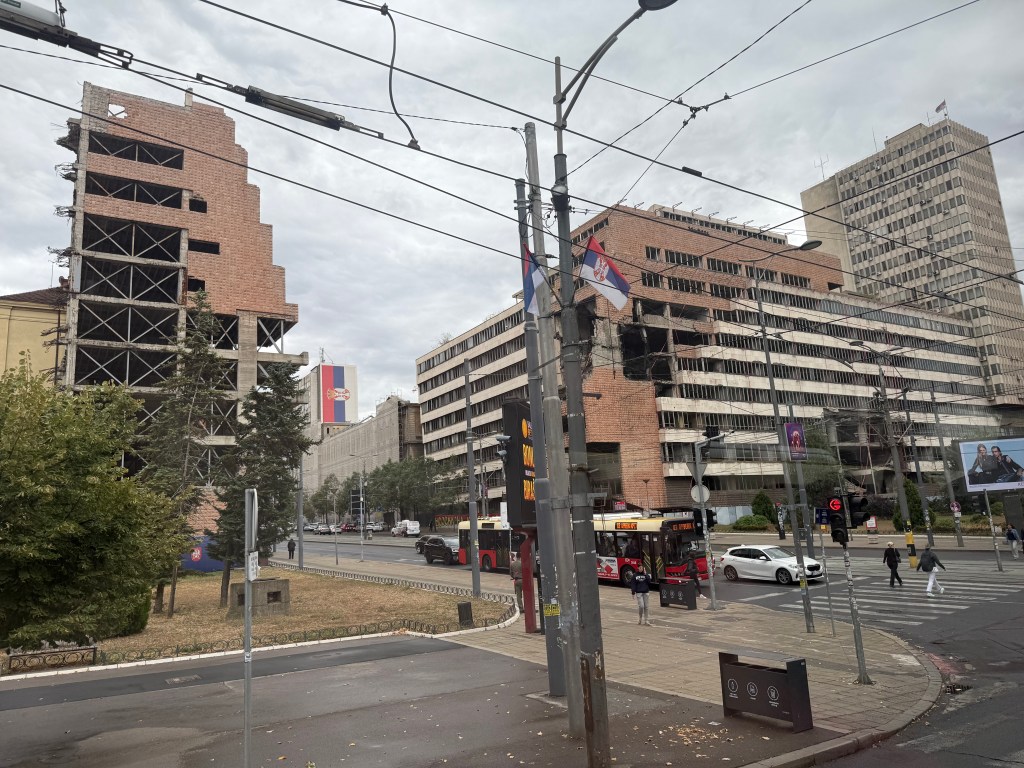
But there were many buildings that were either drab or needing repairs.
We saw the same thing in Navi Sad, Serbia’s second largest city.
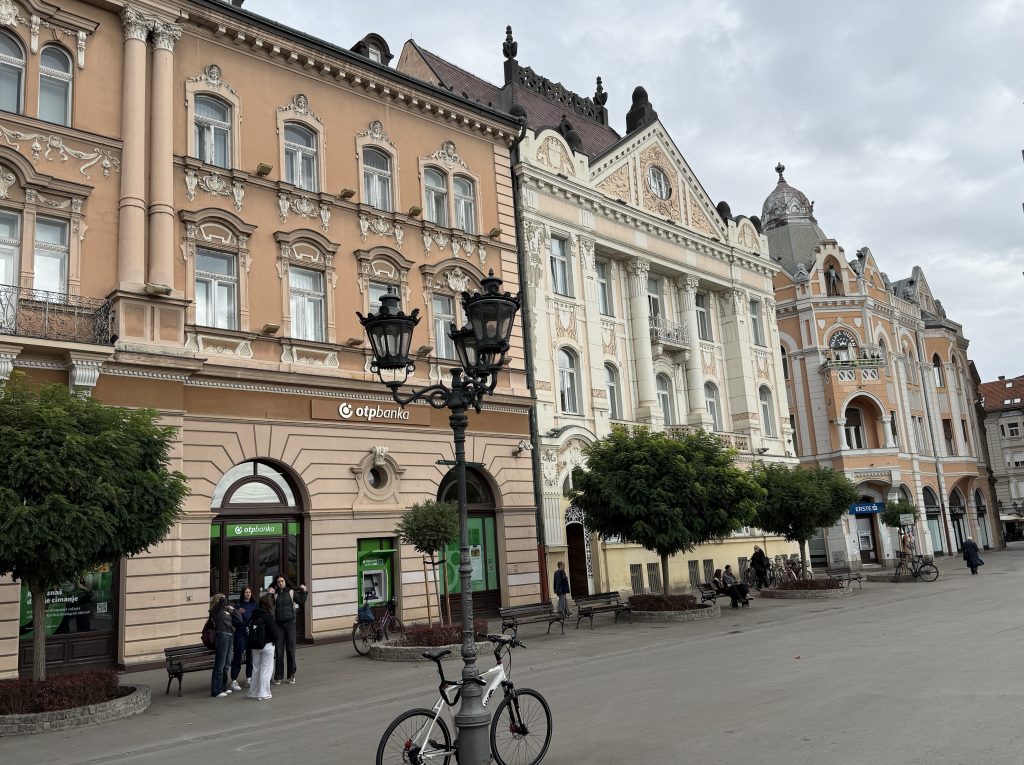
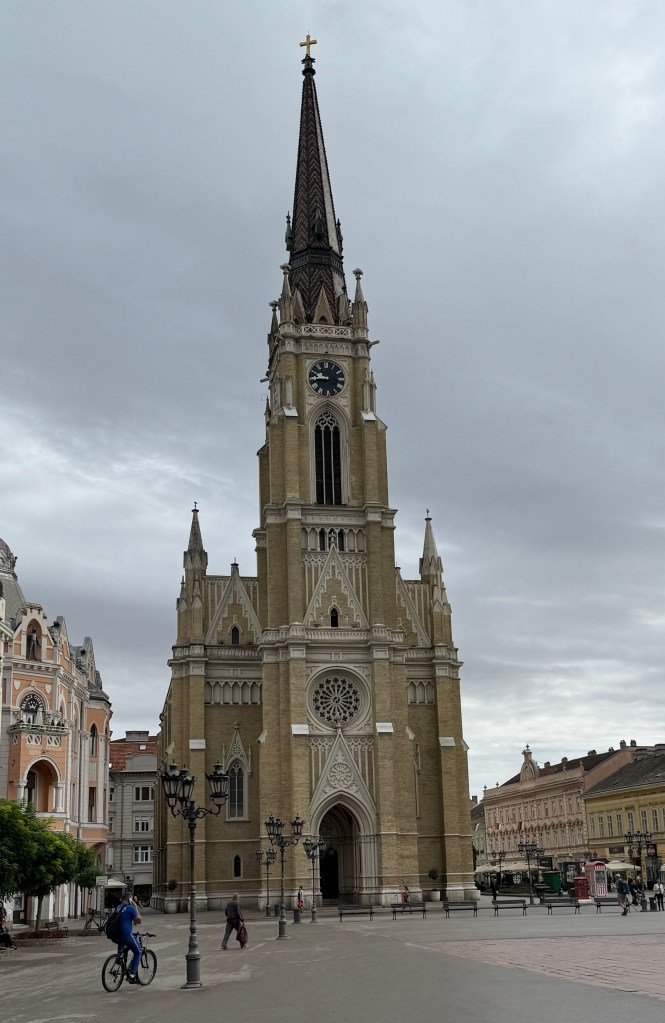
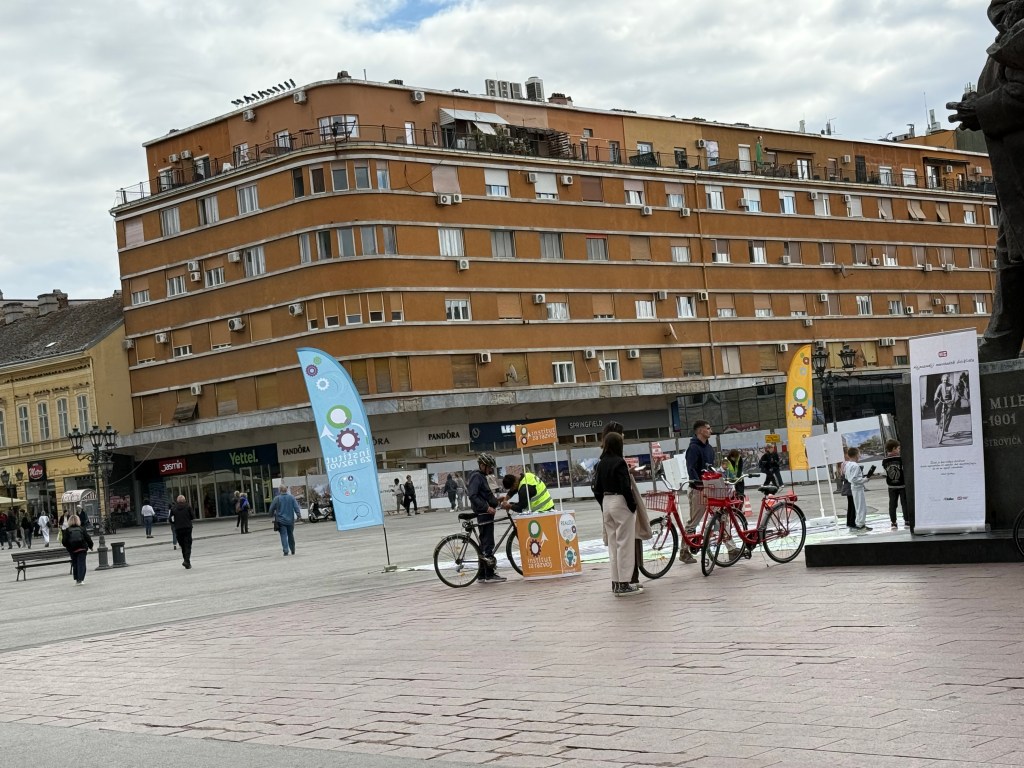
Our guides attributed this to a couple of factors. First, Serbia is simply poorer, financially and in resources, than its neighbors. Second, Serbia has been involved in a lot of wars which either destroyed its buildings or drained the communities of resources needed for rebuilding. Over the years they fought the Ottoman Turks and the Austrian- Hungarian Empire for their independence. Our guide told us the Belgrade was pretty much leveled during WWII as opposed to Prague, for example, which was surrendered in order to prevent major destruction. Third, Serbia’s development and rehabilitation was hampered by being part of the Soviet Eastern Bloc.
Our Program Director on our cruise ship had a great explanation of his country’s relationship with the USSR. He said that life was pretty good for the Serbs under Communism. They went to work in the morning, broke and hour later for breakfast, went back to work. Broke again for another hour for lunch. And worked a couple more hours before quitting for the day and going home to a house or apartment they could afford. When Communism fell, people had to fend more for themselves to provide the money necessary to live, and many couldn’t. Organized crime rose up and siphoned off more resources. As a result, elections tended to slant towards putting leftest candidates in power, and the people thought that life was pretty good under Communism.He credited some very smart leaders in Western Europe for helping Eastern European countries develop political systems that “kept us from being eaten up by Putin.” But Serbia still wrestles with acquiring the funds to rebuild and remodel.
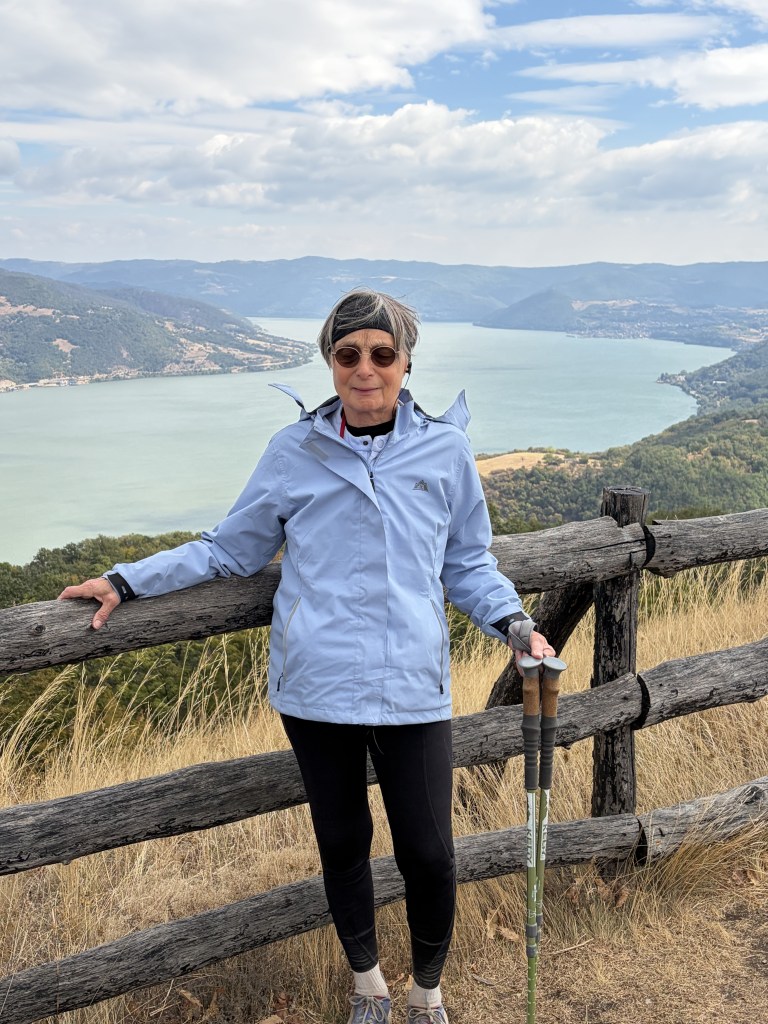
We did have some nice experiences here. Mrs Bear took a couple more arduous hikes into the countryside.
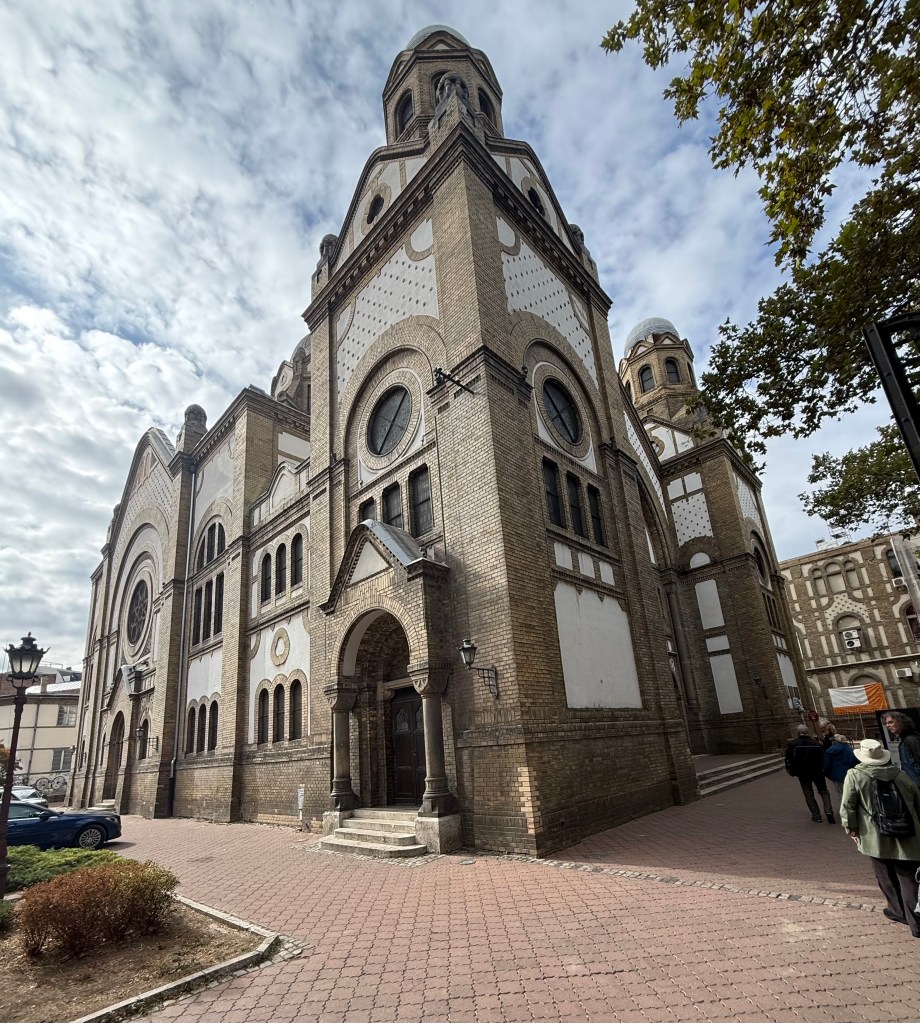
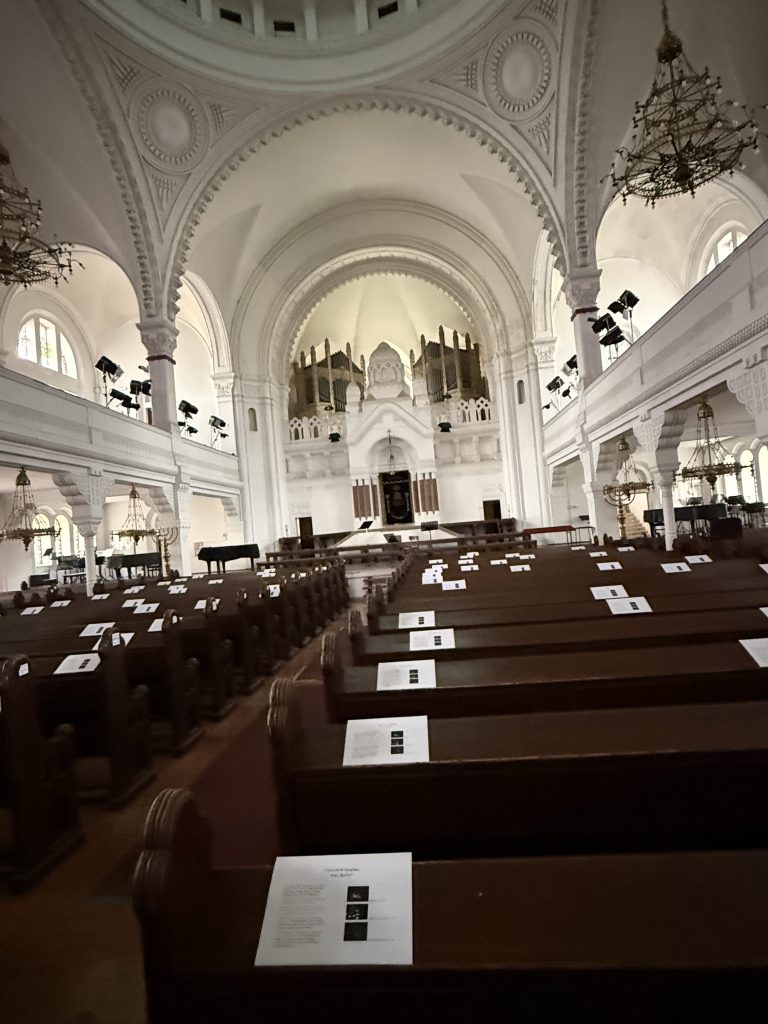
We attended a concert at a synagogue in Navi Sad that showed that the Jewish community still exists.
And the Danube supplied a series of twists and turns that even severe drought couldn’t erase. But I’ll save that for the next entry.